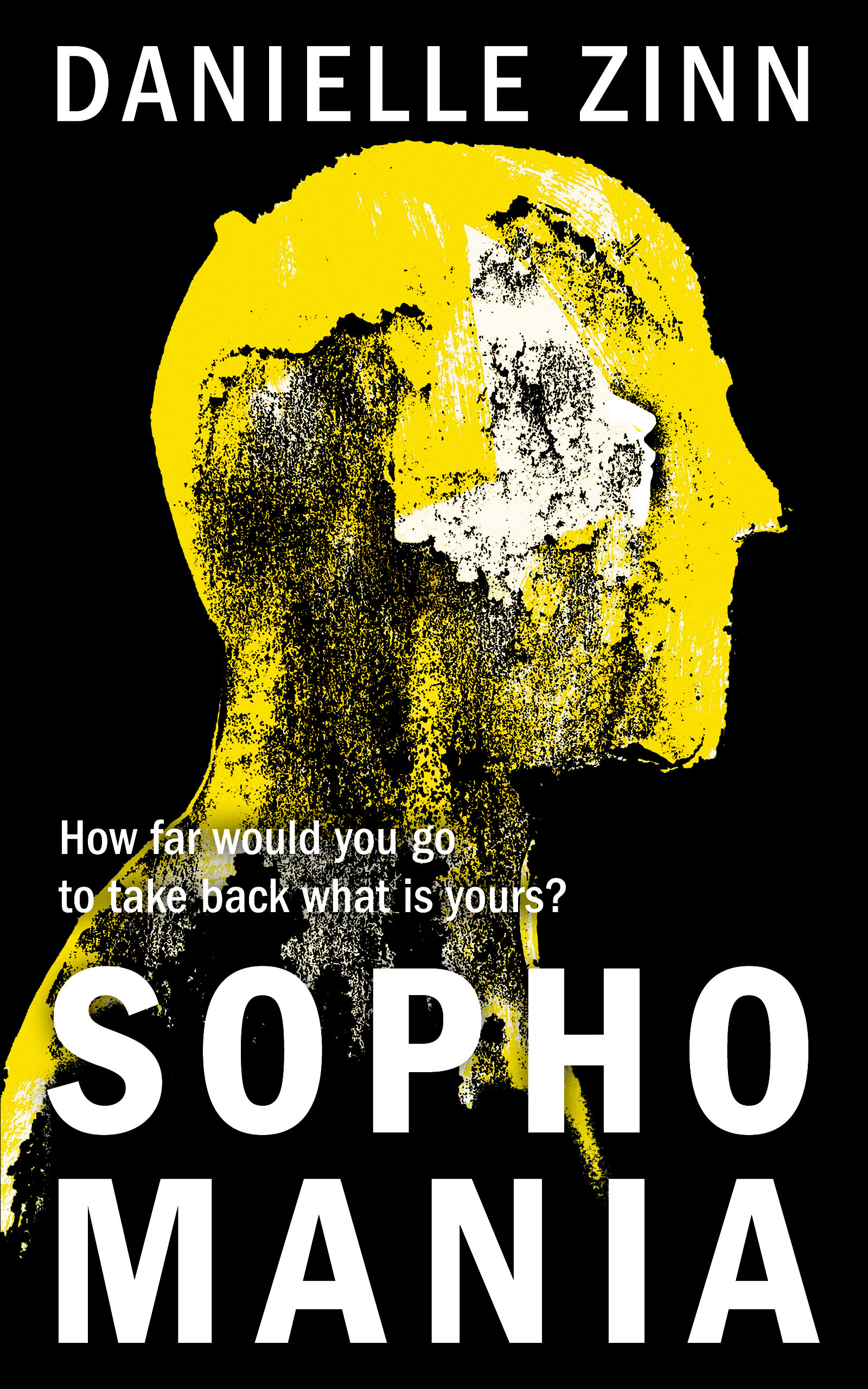
When Detective Inspector Nathaniel Thomas is presented with an anonymous letter and three unexplained deaths in less than twenty-four hours, he realizes that his idyllic home village Crottendorf masks a turbulent reality. Summoning his trusted colleague, DS Ann Collins, Thomas begins to unravel what quickly becomes an overwhelming mountain of conflicting evidence.
So many secrets. So many lies. So many attempts to cover things up.
All is not as it first appears and it proves a lot harder to pin down the killer who prides himself on being more than one step ahead of the DI.
A deeply rooted family tragedy, greed and vengeance are at the core of this crime novel. The twists and turns of Sophomania leave you wondering to the very end who the real murderer is—or if there may actually be more than one killer on the loose in the anything-but-sleepy village of Crottendorf.
I love crime fiction set outside the UK – and, after the last two years – the escapism of which my mother would have referred to as, “a nice murder” is of benefit to us all.
I’ve written in these pages of some of my favourites Martin Walker, Donna Leon and a pairing I’ve not written about as yet, the parents of Scandinoir, Maj Sjowall and Per Wahloo (who I will get to at some stage, honest)
But my knowledge of German literature – crime and otherwise to be honest – is scant. So, Danielle Zinn’s second novel Sophomania immediately appealed.
This synopsis driven attraction was soon rewarded by the arrival of a mummified thumb which sets our hero, Detective Inspector Nathaniel Thomas, off on the track of the rapidly expanding body count in rural German village, Crottendorf.
Zinn spins a pleasingly pacy yarn with a likeable, hulking 6ft 7 tall, detective just trying to get by in the world of murder and lingering trauma from past experience.
Oh, and a tip from a novice gardener to another, just be patient Nathaniel. The plum tree will be fine with patience.
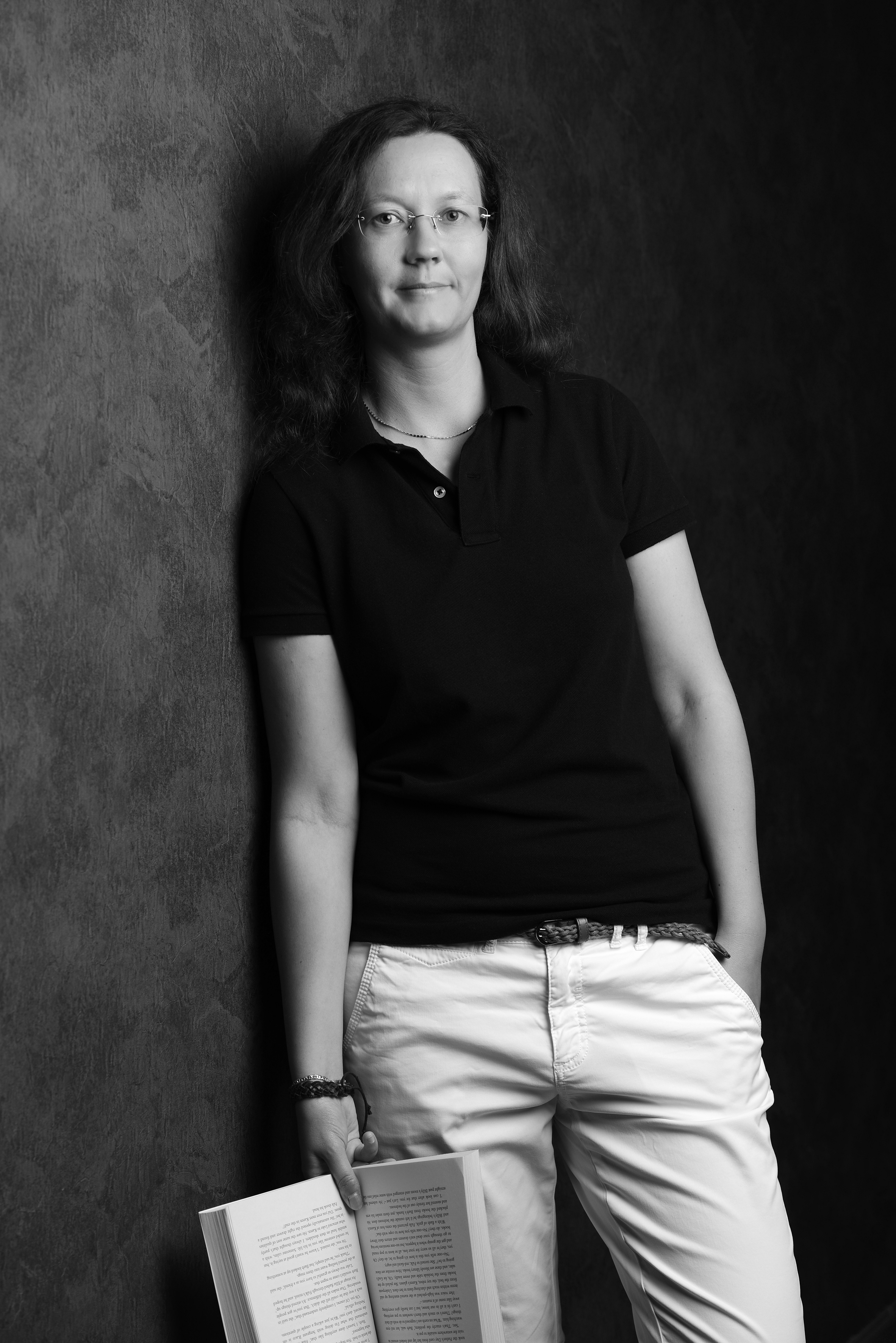
Danielle Zinn is a German author, born and raised in a small village in the Ore Mountains, Germany where not only her debut crime novel Snow Light is set but also her second book, Sophomania.
She holds a BA (Hons) degree in Business and Management from New College Durham/UK and has settled down in Leipzig where she works as a Financial Controller at an IT Consultancy.
She was introduced to the world of English literature and writing from an early age through her mother – an English teacher. Over the last years, she circumnavigated the globe and loves visiting her friends scattered all over the world.
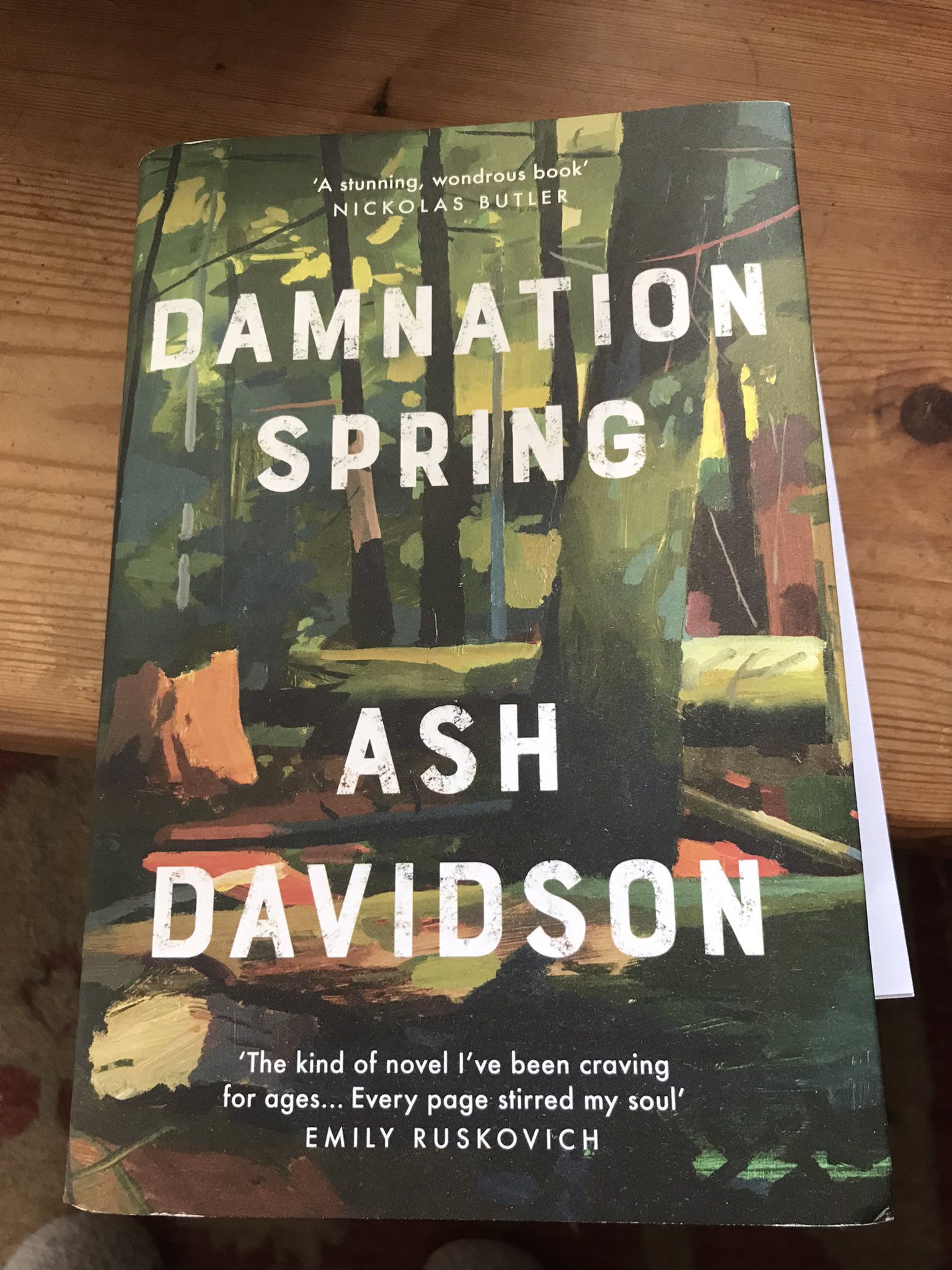
For generations, Rich Gundersen’s family has chopped a livelihood out of the redwood forest along California’s rugged coast near Damnation Grove, a swath of ancient redwoods on which Rich’s employer, Sanderson Timber Co., plans to make a killing. In 1977, with most of the forest cleared or protected, a grove like Damnation – and beyond it 24-7 Ridge, named for the diameter of its largest redwood, a tree Rich was born to harvest – is a logger’s dream.
It’s dangerous work. Rich has already lived decades longer than his father, killed on the job. Rich wants better for his son, so when the opportunity arises to buy 24-7 Ridge – costing all the savings they’ve squirreled away for their growing family – he grabs it, unbeknownst to his wife, Colleen. Because the reality is their family isn’t growing; Colleen has lost several pregnancies. And she isn’t alone. As a midwife, Colleen has seen it with her own eyes.
For decades, the herbicides the logging company uses were considered harmless. But Colleen is no longer so sure. What if these miscarriages aren’t isolated strokes of bad luck? As mudslides take out clear-cut hillsides and salmon vanish from creeks, her search for answers threatens to unravel not just Rich’s plans for the 24-7, but their marriage too, dividing a town that lives and dies on timber. (Synopsis courtesy of www.ashdavidson.net)
I’m still learning about gardening. It is creeping up on me; to be honest somewhat like the weeds which would be allowed to run rampant over the garden if I was left to my own devices.
Last night I was reading Damnation Spring in the garden. In an adjacent field there is a Scot’s Pine. These trees, endangered, indigenous, slow growing has stood for at least 400 years. It predates the forest of larch which overlooks us and was used for logging, it predates our little house – by about three centuries – and it predates the rowan trees and cherries we have planted and nurtured in our own garden by about 390 years.
And none of those Scot’s would come within logging distance of the 24:7 redwood described in Ash Davidson’s beautiful novel, Damnation Spring.
Selected by Vogue as one of their ‘Best Books to Read this Summer’, Davidson’s debut arrives in the UK with some serious traction behind it.
It does not disappoint. American novels do not lack for characters chasing their destiny through hard to pin down goals. The story of Rich Gundersen’s history with the mightiest redwood in the forest; the dawning realisation that, perhaps, all is not right with the land that is all his family has ever known is startling. Moving, concerning, relevant to an age beset by climate concerns and told through the simple elegiac prose of a writer who has crafted her work to best effect.
These are simple people but not in a patronising way. They have the same multi-layered concerns of us all and, in Colleen there is a good hearted and brave woman determined to save her family, preserve her marriage and solve the issue of her multiple miscarriages. Indeed, at some stages, Damnation Spring reads like Erin Brockovich meets Deliverance via Moby Dick and Bill Bryson’s A Walk in the Woods.
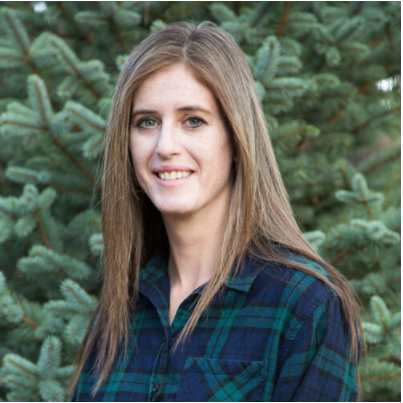
Ash Davidson was born in Arcata, California. She attended the Iowa Writers’ Workshop. Her work has been supported by the Arizona Commission on the Arts and MacDowell. She lives in Flagstaff, Arizona.
Davidson’s debut novel, Damnation Spring, is published by Scribner in the U.S. and Tinder Press in the U.K., Australia, and New Zealand, and is forthcoming from Actes Sud in France. (Biography adapted from www.ashdavidson.net)
For those keen to know more about Neil Lancaster and Dead Man’s Grave, Neil kindly agreed to speak to me about his writing routine and this latest book. You can find the interview here:
This grave can never be opened. The head of Scotland’s most powerful crime family is brutally murdered, his body dumped inside an ancient grave in a remote cemetery.
This murder can never be forgotten. Detectives Max Craigie and Janie Calder arrive at the scene, a small town where everyone has secrets to hide. They soon realise this murder is part of a blood feud between two Scottish families that stretches back to the 1800s. One thing’s for certain: it might be the latest killing, but it won’t be the last…
The cover of Neil Lancaster’s latest novel, Dead Man’s Grave
‘“Crime is common. Logic is rare. Therefore, it is upon the logic rather than upon the crime that you should dwell,”’ she said, dryly, as she got out of the car.
‘Sorry?’ said Max.
‘Doyle?’
‘Eh?’
‘Sir Arthur Conan Doyle, you know, Sherlock Holmes. That’s from The Adventure of the Copper Beeches. Have you read it?’
‘I only read books with exploding helicopters on the front cover,’ said Max, shaking his head.”
One of the best compliments I can pay Dead Man’s Grave by Neil Lancaster is that I’m fairly certain that lead detective Max Craigie would not enjoy it. No exploding helicopters, far too little of the Rambo on the run which people might expect from this genre.
Lancaster has made a name for himself as a writer of kick ass thrillers with fast paced plotting and bone crunching action. And his biography does suggest that, more than most writers, he has the experience to back this up.
Armed Forces background, surveillance and undercover work for the Met and now successful thriller writer based in the Highlands. His debut novel featuring, ‘Going Dark’ was part of a trilogy featuring Tom Novak, a man who seemed in capable of not being chased by various Eastern European mafia hoods and corrupt law enforcement officers.
This time out we have Max Craigie, a former soldier struggling with PTSD and recently moved from London to Scotland under a cloud with a fatal shooting on his record.
When a prominent gangster disappears near a creepily titled grave in the Badlands of Caithness, it isn’t long before Craigie and other outsider from the squad, Janie, is sent to get involved.
Lancaster manages to twirl this plot on a sixpence with no warning for the reader and this is a really attractive trait for the reader. Expectations are dashed at every turn and, for readers who have enjoyed the Tom Novak series, whilst there are similarities between Craigie and Novak – both military men, both are or have worked in the Met, both have ties to Scotland – here the character of Craigie is more cerebral, more open to human relationships and more easily likeable than the sociopathic here of the ‘Going…’ series.
The other aspect of this new series of novels which demonstrate the evolution of Lancaster as a master craftsman is the humour. Whilst plot is clearly where this author lives, funny interchanges between Craigie, Janie and their foul mouthed but essentially cheery boss, Ross, are handled with aplomb.
“‘What’s your instinct on this one?’ Ross asked.
‘Honest answer?’
‘No, I want you to bloody lie to me, you daft twat. Stop pissing about.’”
For my money, this is the funniest novel in terms of character relationships outside another crime writer with a Black Isle connection, Ian Rankin.
And, it would appear that I am not alone in my appreciation of the novel. While I was halfway through my advanced copy, it was announced that Dead Man’s Grave had been long listed for the coveted McIlvanney Prize from Bloody Scotland. This puts Lancaster alongside luminaries such as Val McDermid, Chris Brookmyre, Stuart MacBride and Denise Mina which is the right company for any crime writer, I’d have thought!
My only complaint on that score is that I’ve been a reader for that award since the inaugural year and I rarely get a novel as good as this.
In conclusion, Dead Man’s Grave is a fine introduction to a series and packed with plot twists, enjoyable characters and the verisimilitude of the author’s experience make this a fine addition to the Tartan Noir canon.
Neil Lancaster joined the RAF in 1983 and served as a Military Policeman for six years, in the UK, Germany, Cyprus and the Falkland Islands, mostly as a patrol dog handler.
In 1990 he joined the Metropolitan Police where he worked in a number of roles as a Detective investigating the most serious of crimes in the capital and beyond. He was a covert policing specialist using all sorts of tactics to obtain evidence against murderers, human traffickers, drug dealers and fraudsters.
Since leaving the Met in 2015 he has lived in the Scottish Highlands where he now writes crime and thriller novels alongside work as a broadcaster and commentator on true crime documentaries. (Biography courtesy of www.neillancastercrime.co.uk)
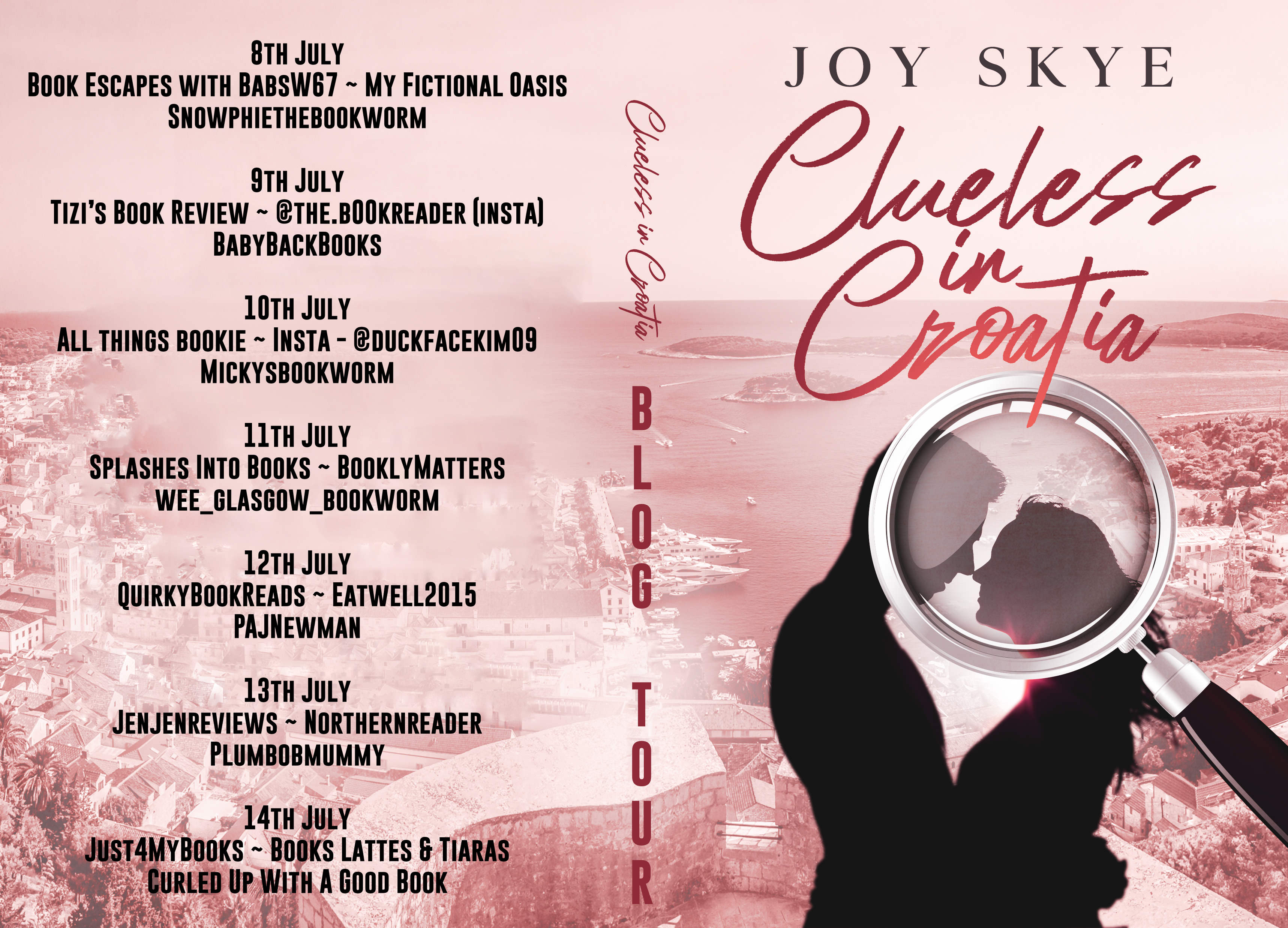
D.I. Fierce always gets his man, but can he get his woman?
Actor Leonard Lupine is sick of his life, both on and off-screen, so when his agent suggests a luxury villa holiday in Croatia he leaps at the opportunity to escape. What he doesn’t realise is that his greatest mystery of all is waiting to be solved on the tiny island of Brač.
Does he have what it takes to follow the clues to love? ♥
You know how it is: sometimes you pick up a novel because you think, “well, I need to read something and this will fill a space,” and your expectations aren’t high but it’s the holidays and what else you going to do?
So, full disclosure – this was the attitude with which I approached ‘Clueless in Croatia.’ Not dismissive or grumpy about needing to read it, but with a half-hearted distraction.
Well. Boy, do I love being surprised and delighted? Joy Skye has crafted a charming world, vividly conjured and one in which the prose is as enticing as the seas off Croatia which I now long to dive into.
Leonard Lupine is the sort of conflicted arse one might expect to find in a romantic comedy and Skye does a lovely job of lampooning and satirising the personas and absurdities of influencer culture.
Likewise, down to earth young widow Isabella is lovely counterpoint to Lupine. Her genuinely tragic backstory contrasting with his poor-little-rich-boy, but-Mummy-I-don’t-want-to-be-typecast-as-a-tv detective-with-only-all-my-money-to-count first world problems schtick.
So, we have an exotic location, a contrasting pair of confused but essentially loveable central characters and a smattering of supporting characters – the children primarily – who speak more sense than most of the adults put together. Which also adds a nice verisimilitude to the proceedings.
In short, ‘Clueless in Croatia’ was just what the post-lockdown Summer ordered – I’m off to dream of swimming in lagoons, eating an entirely cuisine from a country I’m yet to discover and also to research Joy Skye’s other novels.
I now feel less clueless about Croatia – and far more excited to visit. Joy is certainly an aptly named author. Bravo!
Joy lives on the seductive island of Corfu with her four dogs and an embarrassing number of cats.
Her many years working in the tourist industry on this sunny isle and her love of all things literary inspired her first novel Corfu Capers which recently hit the #1 spot in Parenting and Family humour much to her delight.
She loves to cook, dance and drink wine, usually at the same time, and is currently working on book number three, due to be released later this year.
She also loves to travel, absolutely anywhere, and is looking forward to jumping on a plane!
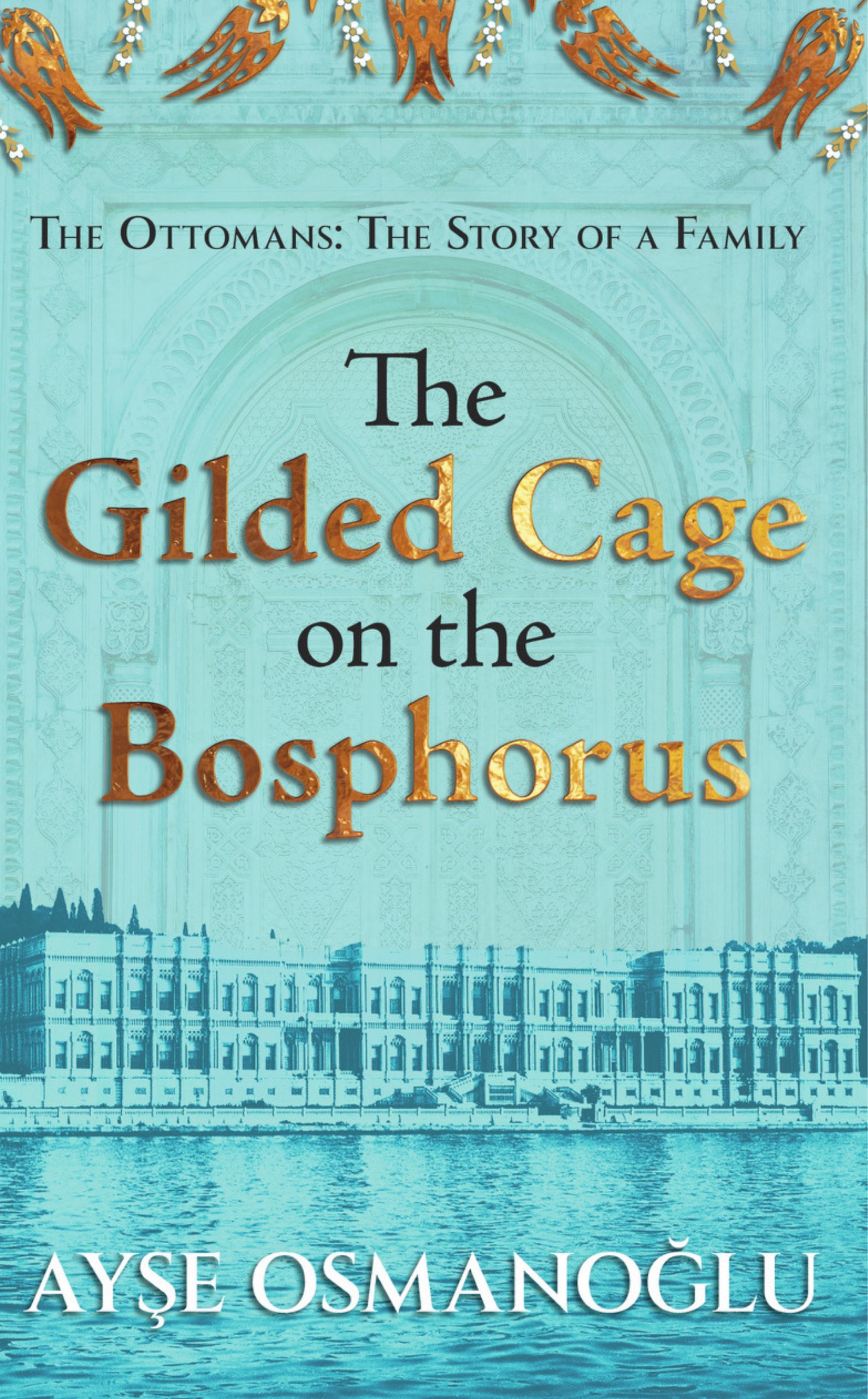
‘The Gilded Cage on the Bosphorus’ by Ayşe Osmanoğlu
Brothers bound by blood but fated to be enemies. Can their Empire survive or will it crumble into myth?
Istanbul, 1903.
Since his younger brother usurped the Imperial throne, Sultan Murad V has been imprisoned with his family for nearly thirty years.
The new century heralds immense change. Anarchy and revolution threaten the established order. Powerful enemies plot the fall of the once mighty Ottoman Empire. Only death will bring freedom to the enlightened former sultan. But the waters of the Bosphorus run deep: assassins lurk in shadows, intrigue abounds, and scandal in the family threatens to bring destruction of all that he holds dear…
For over six hundred years the history of the Turks and their vast and powerful Empire has been inextricably linked to the Ottoman dynasty. Can this extraordinary family, and the Empire they built, survive into the new century?
Set against the magnificent backdrop of Imperial Istanbul, ‘The Gilded Cage on the Bosphorus’ is a spellbinding tale of love, duty and sacrifice.
Evocative and utterly beguiling, ‘The Gilded Cage on the Bosphorus’ is perfect for fans of Colin Falconer, Kate Morton and Philippa Gregory.
I’ve never been to Turkey properly. I once went via Istanbul’s airport to transfer flights – it was the middle of the night and my main memory is of neon lights, 24-hour shopping and some beautiful marble floors.
But I have spent some time in the Islamic world and can tell you this: the history and culture of that religion, the misunderstandings of majority of the West and the complexity, beauty and the history which flows from the Ottoman Empire is well worthy of anyone’s time.
Ayşe Osmanoğlu has produced an absolutely fascinating account of a period which I didn’t know anything about. I love reading and learning and I particularly love it when it builds upon some scant knowledge I have of a complicated subject.
Osmanoğlu has picked a period just as the world pivots on its axis. Sultan Murad V is imprisoned by his brother in the eponymous gilded cage on the Bosphorus but what adds spice to this version of the true life event is that Osmanoğlu is writing about her own family.
This makes ‘The Gild Cage on the Bosporus’ unique, to the best of my knowledge. There are many historical novels, obviously, but there are few which blend fact with fiction and with emotive family issues woven through the narrative.
Osmanoğlu writes as though she is projecting herself back the 120 or so years to the crucible of a moment which will have profound effects on the geo-political map and her own familial destiny.
It is a journey I am grateful to have joined her on.
Author Bio – Ayşe Osmanoğlu is a member of the Imperial Ottoman family, being descended from Sultan Murad V through her grandfather and from Sultan Mehmed V (Mehmed Reşad) through her grandmother. After reading History and Politics at the University of Exeter, she then obtained an M.A. in Turkish Studies at SOAS, University of London, specialising in Ottoman History. She lives in the UK with her husband and five children.
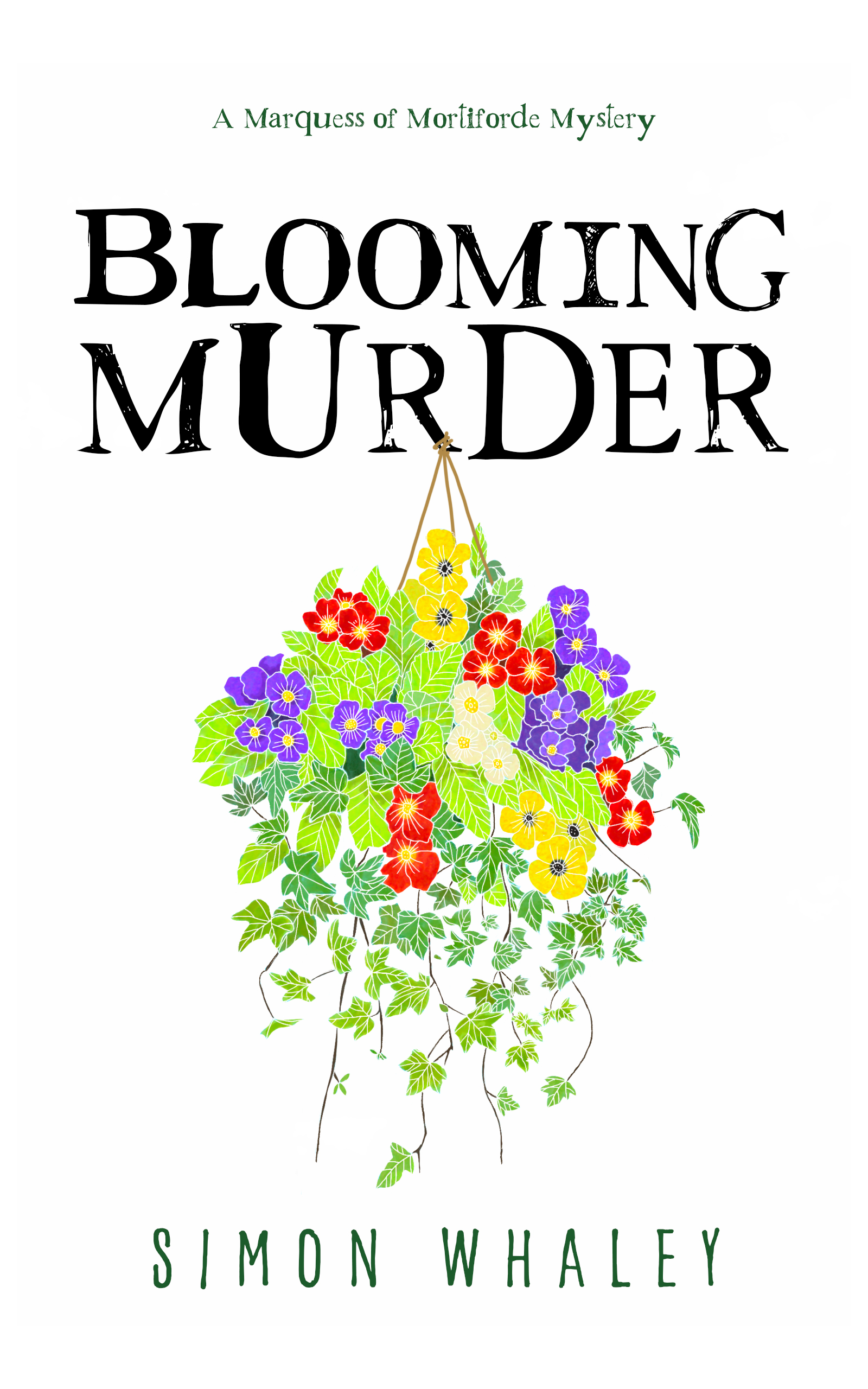
Lord Aldermaston’s having a bad day. A falling hanging-basket has killed the town’s mayor, and a second narrowly missed him. His wife wants him to build her new greenhouse in three days, and some nutter is sending him death threats.
This isn’t the quiet life he expected as the new Marquess of Mortiforde.
It’s the annual Borders in Blossom competition, and Mortiforde is battling with Portley Ridge in the final. But this is no parochial flower competition. The mayor’s mishap looks like murder, and there’s another body in the river. Someone desperately wants Portley Ridge to win for the fifteenth successive year.
So when a mysterious group of guerrilla gardeners suddenly carpet bomb Mortiforde with a series of stunning floral delights one night, a chain reaction of floral retaliation ensues.
Can Aldermaston survive long enough to uncover who is trying to kill him, and why? And can he get his wife’s greenhouse built in time?
My god, did I enjoy this novel. I like a cheeky cozy crime at times and I read the synopsis and thought, I have to get myself some of that. But it far exceeded my expectations.
Blooming Murder is, essentially, what would happen if Gardener’s World had an illicit love child by Midsomer Murders via the work of Tom Sharpe. And it’s all the better for it.
Whaley is clearly an accomplished writer and has a strong track record of non-fiction. His first foray into the fantastical has clearly given him licence to run wild. In the afterwards, he notes that there is a version of this nearly 40,000 words longer – he was right to cut and, in future, could potentially prune the buds of his ambition even further.
But this is a minor quibble – local mayors are being dunted on the head by descending hanging baskets, a newly appointed Lord of the Manor is struggling to come to terms with his new position in village life and his wife is chopping up his camouflage netting and disappearing at all times of the day and night.
With bodies dropping like flies, a competitive flower competition and sexually voracious horticultural judges parading around, Blooming Murder skips along reaching a crescendo of exceptionally entertaining mayhem.
I, for one, can’t wait to read any subsequent outings in the Marquess of Mortforde Mystery series as and when they come. If you like your aristocrats eccentric and your cottage cheese in a very unsual serving suggestion, this novel is for you.
Author Bio – Simon Whaley is an author, writer and photographer who lives in the hilly bit of Shropshire. Blooming Murder is the first in his Marquess of Mortiforde Mysteries, set in the idyllic Welsh Borders – a place many people struggle to locate on a map (including by some of those who live here). He’s written several non-fiction books, many if which contain his humorous take on the world, including the bestselling One Hundred Ways For A Dog To Train Its Human and two editions in the hugely popular Bluffer’s Guide series (The Bluffer’s Guide to Dogs and The Bluffer’s Guide to Hiking). His short stories have appeared in Take A Break, Woman’s Weekly Fiction Special, The Weekly News and The People’s Friend. Meanwhile his magazine articles have delighted readers in a variety of publications including BBC Countryfile, The People’s Friend, Coast, The Simple Things and Country Walking.
Simon lives in Shropshire (which just happens to be a Welsh Border county) and, when he gets stuck with his writing, he tramps the Shropshire hills looking for inspiration and something to photograph. Some of his photographs appear on the national and regional BBC weather broadcasts under his BBC WeatherWatcher nickname of Snapper Simon. (For those of you who don’t know, they get a lot of weather in Shropshire.)
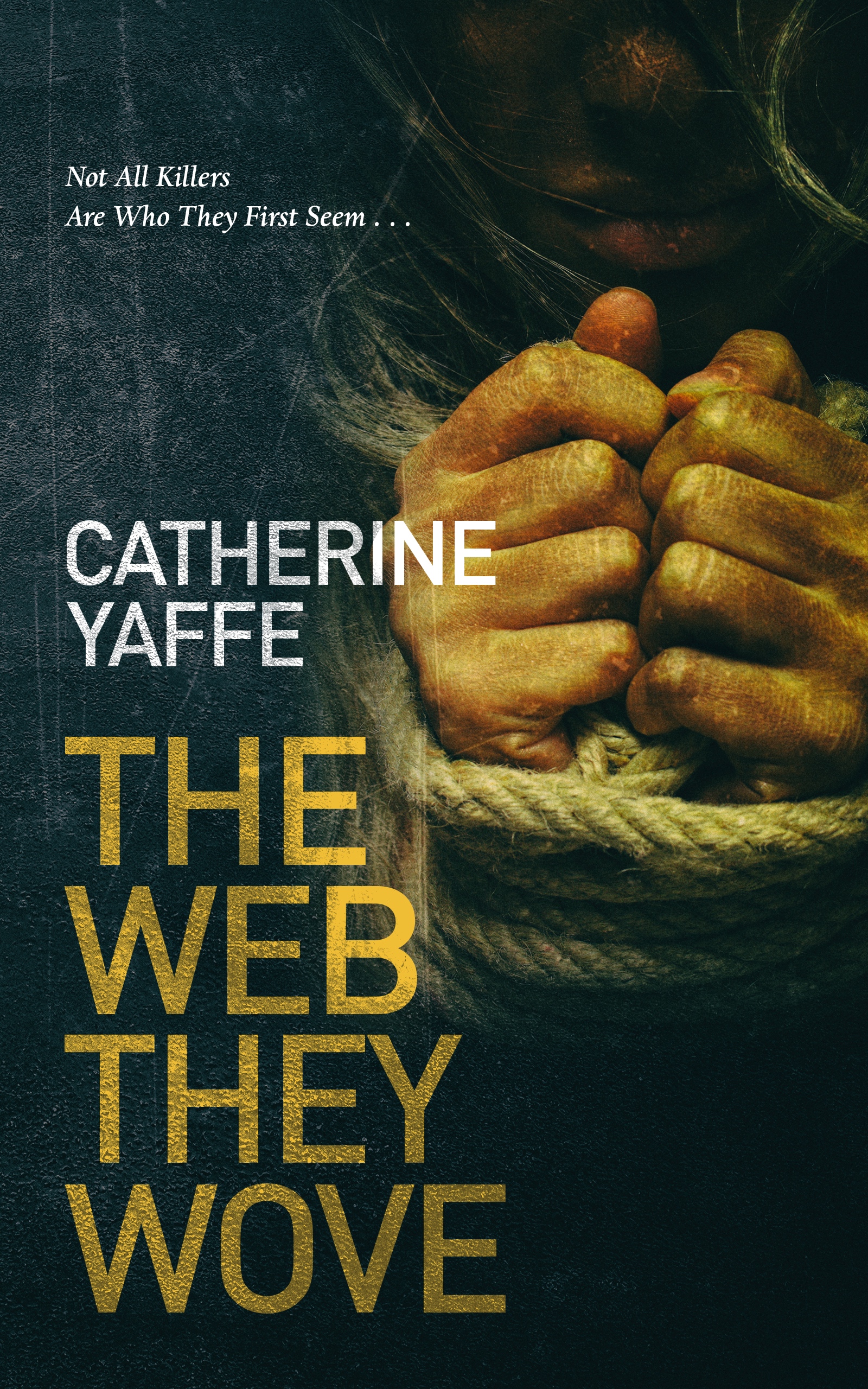
The mutilated body of a young female is found in a popular recreation ground in Leeds city centre. DI Ziggy Thornes and his team are at once assigned to close the case.
With little to no forensic evidence left at the scene at first Ziggy struggles to put the pieces together. When a second body turns up in the same place, Ziggy starts to feel the pressure from his bosses and the media as fear spreads through the city.
Realising that victims have been held captive prior to their deaths, Ziggy delves deeper and relentlessly chases down every lead, taking him close to breaking point.
When the investigation leads him dangerously close to home, will time run out before the tangled web of evil he’s uncovered destroys everything he holds dear?
I called the novel one in which “few people…are quite what they seem and motivations are as grey and murky as an autumn day in Gairloch… A psychological thriller which manages the powerful balance of nipping along at pace but also lingering in the reader’s minds…a psychologically complicated novel which doesn’t shy away from the pain that violence and its consequences causes.”
Which sounds about as verbose as I normally am.
The follow up, ‘The Web They Wove’ is both a standalone work perfectly capable of standing on its own merits, as well as expanding on the character of DI Ziggy Thornes, a comparatively peripheral character from the first book.
Here Thornes is on home turf in Leeds, leading an investigation which gets first professionally, and then, potentially, personally dangerous.
Yaffe is a talented writer who really does manage to produce prose which flows and moves the story along at the same time. She is clearly making moves to support other up and coming writers too and this branching out in police procedural novels promises more is going to be heard from the emerging psychological thriller writer.
Author Bio – Catherine Yaffe is a full-time writer of crime novels, based in the North of England. ‘The Web They Wove’ is Catherine’s second novel and continues the theme of questioning how well we know those around us. Her debut novel ‘The Lie She Told’ in October ‘20 was received with widespread acclaim, and so far, has gained over 50 five star reviews across Goodreads and Amazon.
Recently, I wrote a review of Simon Conway’s latest novel, ‘The Stranger‘. I was so impressed with the book, I tracked Mr Conway down and asked him for some further information. He graciously agreed.
The Stranger
PAJNewman (PAJ): Jude Lyon is a brilliant character. I notice from my research that there might be some similarity between yourself and Jude in terms of military history and well-travelled childhood. Was this biographical echoing the starting point for the book or was it the themes and issues which drew you to this particular story?
Simon Conway (SC): I’m glad you like Jude. I’m fond of him too. I wouldn’t say he was the starting point though. My characters tend to grow and morph in the telling. They definitely get more autonomous with every draft. Both main characters have a military background and I think that neither of them was an easy fit in the army just as I wasn’t. In Jude I have channelled my principled side but in Guy Fowle I’ve unleashed my inner psychopath.
PAJ: How do you feel that this novel stacks up against your previous work? Are you pleased with it?
SC: I’m satisfied and I’ve been gratified by the very positive response from early readers. I’d say that there has been a gradual improvement in my writing with more show and less tell. I’ve been trying to adhere to George Orwell’s six tips for writing from his 1946 essay “Politics and the English Language” – never use a long word where a short one will do; if it is possible to cut a word out, always cut it out; never use a metaphor, simile, or other figure of speech, which you are used to seeing in print, etc. That’s a good discipline for writing.
PAJ: How long did the book take from beginning to end to write?
SC: It was about eighteen months from beginning to end and then some tinkering at the copy edit stage. And then a delay in publication die to the pandemic. I’m glad to have reached this moment…
PAJ: The Iraq invasion obviously casts a long shadow over this novel, do you feel this is going to be an issue which we ever resolve as a democracy? Do you feel it still plays into our relationship with terrorism in the UK today?
SC: I think that if we are going to occupy countries in the name of protecting their populace or delivering democracy and freedom, we need to get a hell of a lot better at it and we need to recognise that it is a long-term commitment that lasts for decades.
There is no easy exit strategy. The shadow of the Iraq war is a long one: the chaos that it created fatally poisoned the New Labour project and it has a de-stabilising effect across the region, spurring the growth of Islamic State and allowing Iran to extend its influence.
The images from Abu Ghraib and the illegal rendition programme radicalised a generation of young Muslims. The collapse of Syria has led to one of the largest refugee crises ever. We bear some responsibility and we have to own up to that.
PAJ: At the moment, do you think The Stranger is going to be a standalone or do you envisage this as the beginning of a new series?
SC: You’ll definitely be reading more about Jude Lyon. There’s plenty still to be revealed.
Personal
PAJ: Who are your biggest influences as a writer?
SC: I read widely and across genres. I’ve certainly been influenced by some of the big beasts of modern American literature – Norman Mailer, Robert Stone, Ernest Hemingway and Thomas Pynchon. Contemporary writers that I enjoy include Nick Harkaway, Adrian Tchaikovsky, Chris Beckett, Paul McAulay and Louise Welsh.
In my own genre, John Le Carré, Martin Cruz Smith and Graham Greene are heroes. For the Stranger, I wanted to write a classic thriller and Frederick Forsyth’s novel The Day of the Jackal was a significant influence in that in that it builds towards a single attack and you have the juxtaposition of the increasingly desperate manhunt and the villain’s methodical preparations.
PAJ: What inspired your move into the military after you finished your degree at Edinburgh?
SC: After I left university, I was working in a night club in New York and trying to write a novel. I wrote 28 pages in a year which is pretty poor. I needed discipline. Many of the writers that I respected had served in the military or seen conflict. So, on a whim, I shaved my head and joined the army. One thing that surprised me was the number of other soldiers I met who also had a problem with authority.
I was living in Lebanon as a child a particularly formative experience that resonates through this novel? I can’t help feeling like the Middle East is represented in an affectionate and nuanced way in the novel.
I am very fond of the Middle East. It has so many intelligent and articulate people let down by bad government and lousy politicians. Some of my earliest memories are of Syria and Lebanon and it is a tragedy what has happened to those places. In 1976 I was on holiday with my parents in Syria. I persuaded them to buy me a Syrian army uniform and I wore it as we crossed back into Lebanon. The Syrian army invaded Lebanon a few hours later. I was the first across the line!
I’ve been back to both countries, to Lebanon in 2006 after the south was pummelled with several million cluster munitions and to Syria in 2015 after Islamic State left behind huge quantities of improvised explosive devices across the north east.
PAJ: Was the war in Syria at the forefront of your move into working with Article 36?
SC: My position on the board of the weapons control organisation Article 36 grew out of my part in the campaign to ban cluster munitions. Article 36 of the Geneva conventions, which the organisation was named for, require states to consider the impact on civilians of their weapons before they use them. When you look at the devastated cities of a country like Syria you can see that its rulers either don’t care about the effect of their weapons on ordinary people or are deliberately, maliciously targeting them.
PAJ: Would you like to speak about your work with HALO? Where are we as a nation with regard to refugees and the fall out from the conflict in Syria in your opinion? What can people who want to help do? What is the best link or course of action which people could access?
SC: My role within The HALO Trust is to start projects in new countries which means I am usually the first person on the ground, getting to know the power brokers on the ground and negotiating access. Since 2015, the focus of my efforts has been clearing the debris of war in the Middle East and I have established new projects in Syria, Iraq, Libya and Yemen. The devastation in urban areas and the industrial-scale use of improvised explosive devices by Islamic State and other armed groups pose particular risks to clearance operators.
Once the projects are set up and running, I hand them off to my colleagues to run. Currently I still retain command of our Libya programme, where we have an in-country team who are having to deal with an ongoing conflict with rapidly shifting front lines and multiple outside actors including Turkey, Russia, UAE and Egypt. The team are currently surveying booby-trapped front lines in the south of the capital Tripoli which were abandoned by Russian mercenaries from the private military company Wagner Group.
We are doing a lot to help. The taxpayers of western nations are incredibly generous through the aid and assistance that they provide. The UK is world leader in the delivery of aid and we should be proud of that. People need to recognise that helping to create stability abroad is a vital investment that helps keeps us safe at home.
Keeping pressure on the politicians to use our aid money wisely and strategically is of course vital and I think we should be directing more of it towards resolving conflict. I also think we need to do close the tax havens which allow corrupt rulers to steal and stash away the wealth of developing nations. There’s no point giving with one hand if we’re accepting dirty money with the other.
PAJ: What is the question you wish interviewers and readers would ask but never do?
SC: Is it possible to both entertain and inform? I think so, if it’s deftly done without ramming the information down the reader’s throat. I hope that readers enjoy The Stranger but also come away with a greater understanding of some of the more lawless corners of the world.
Thanks so much to Simon for speaking to me. ‘The Stranger’ is available here and at all good bookshops (and, presumably, some average ones too). Simon’s website is here. Simon can be found on Twitter here and you can hear more from the man himself from our friends over at Spybrary here.
If you like… (takes deep breath) Heat, Reservoir Dogs, Jackie Brown, Pulp Fiction, TheGodfather, Baby Driver, No Country for Old Men, Get Shorty, Kill Bill Vols 1 & 2, The Getaway,Silenceof the Lambs, Out of Sight and Point Break, then this may just be the book for you.
Nobody Move by Toronto-based debutant Philip Elliott is a love letter to the crime thriller movies of the 90s and is packed with enough sleazy motels, 80s punk rock and characters making questionable life choices to make you want to ask, “Whose chopper iz dis?’
Philip Elliott, debutant author of crime thriller, Nobody Move, out in September 2019
Clearly, the man knows his Tarantino, his Elmore Leonard and his Jim Thomson.
However, although this may sound like pastiche, it is so cleverly done, the novel ripping along in 315 pages, and Elliott managing to make you enjoy spending time with these monstrous characters, that you don’t feel oppressed by the references. The fact that the characters are self referentially referring to them acting like they’re in a movie, only adds to the fun.
Nobody Move opens with the character of Eddie, a small time hoodlum beginning to tire of the life, making a catastrophic mistake which only escalates as variously his pretentious, restaurant owning mobster boss, Saul Benedict, and his men (and Eddie’s ex-partners), Floyd and Sawyer, all enter the fray hunting the want-away Eddie. Fate twists further as the beautiful Dakota, a Native American woman fresh in the City of Angels searching for her missing friend and psychotic, Texan assassin Rufus, seeking vengeance for his murdered brother, takes up his beloved daggers one final time and begins the long drive to L.A. Meanwhile, put-upon vegetarian LAPD detective Alison Lockley’s hunts for the killers becomes increasingly urgent as the bodies pile up.
The novel, published by small press Into the Void, has rather too many uses of “the N word” for my liking and appears to have an unfortunate relationship to violence against women – but persevere for all is not what it seems.
This is to be the first of a series of novels, known as the Angel City series. I’m looking forward to reading the next instalment.
Nobody Move (Angel City #1) is out from Into the Void press on September 10th.
May 19th will see the retirement of a man who might well be able to lay claim to being the most important media figure of the last 50 years. C-Span founder Brian Lamb is retiring.
Here in the UK, C-Span is not often watched – perhaps unsurprisingly. My impression is that ex-pats, politico geeks and ‘The West Wing’ affectionados form its core audience.
My introduction came via this last category and I stumbled across a show called ‘C-Span Q&A‘ around 2009. It was a simple show: an old guy talks to a person, usually a writer but not always, for an hour.
Just that. No adverts, no razzmatazz, no hectoring or screaming: just a person being allowed to articulate their point of view in their own words. It is the sort of television which doesn’t get made any more and a lesson to any one with an interest in media about what can be done.
Over the last decade, I have listened to the show pretty consistently – or consistently inconsistently as I have a tendency to binge listen to them. Lamb is a revelation. Unfailingly polite, thoroughly prepared, he never pretends to know anything he does not and he asks questions in a simple way, drawing out implications for viewers in case they don’t have the depth of knowledge he does – which few of us could possibly have but he’d never be so mean as to highlight this!
And now I discover that midway through the month, he is stepping down. The former naval lieutenant who once attended press briefings with Robert MacNamara and walked LadyBird Johnson down the aisle, who persuaded Congress to let cameras in and established public service political broadcasting in the most cut throat media market in the world – and kept it free and on the air – is off.
Brian Lamb is a self-effacing one off. He will be sadly missed by people who think that politics, its coverage and how people access it, matters for the good of all – no matter where they are on the globe.
It seemed somehow tragically appropriate that the news of his retirement came via an interview in the Rupert Murdoch owned ‘Wall Street Journal’.
An interview which couldn’t read as it is behind a pay wall. Another institution which forms part of the key narrative of 20th century American media, The Washington Post, recently changed its slogan to “Democracy Dies in Darkness”. The retirement of Brian Lamb represents an unparalleled dimming of democracy.











 PAJ Newman